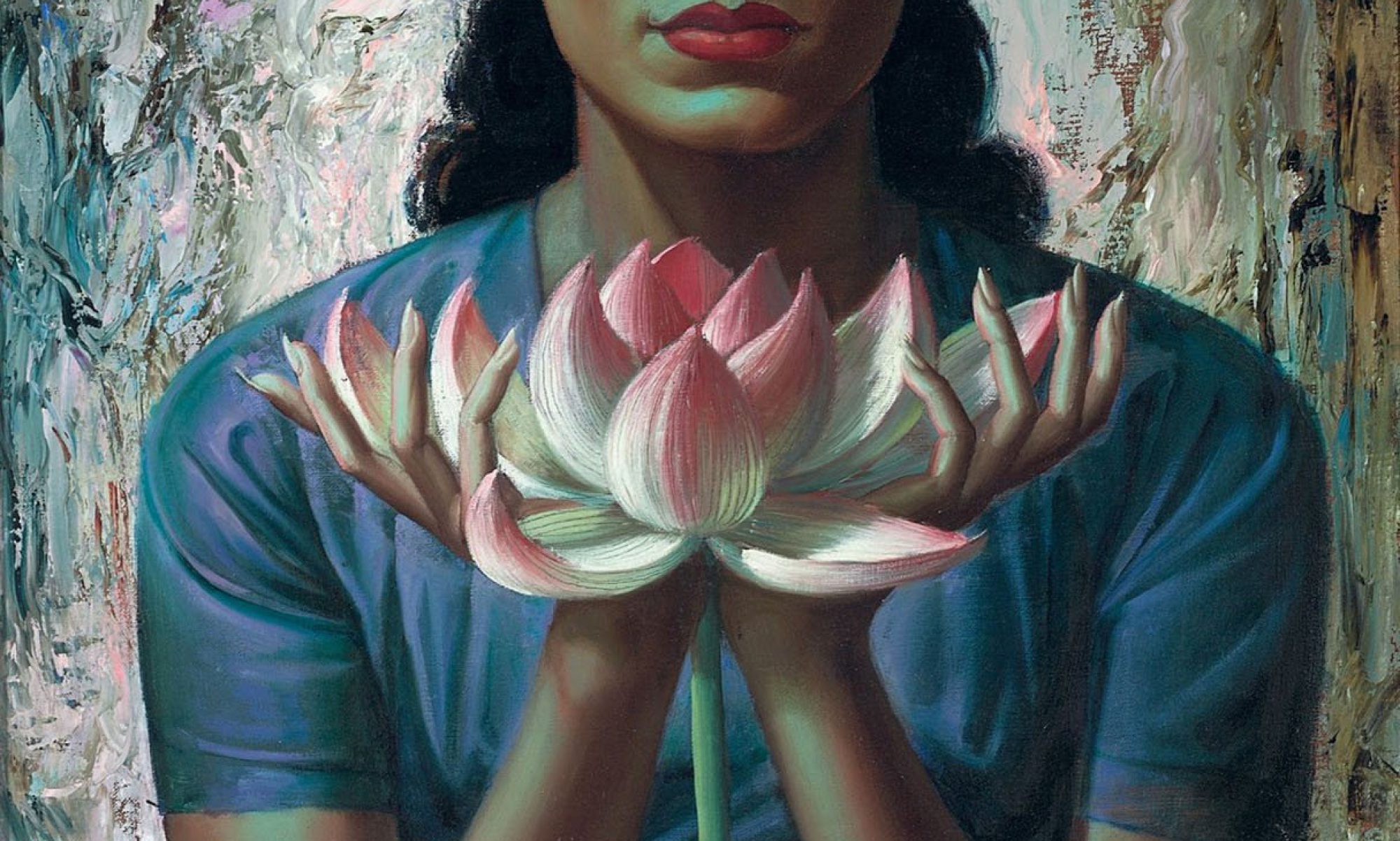
Yoga is various techniques of calming the mind. This simple definition taken from the Yōga Vāsīshta – one of the oldest surviving texts on Yōga – describes this ancient Indian tradition in its purest form.
Yoga is various techniques of calming the mind. This simple definition taken from the Yōga Vāsīshta – one of the oldest surviving texts on Yōga – describes this ancient Indian tradition in its purest form.
Yoga is not a performance. It’s a return. A return to steadiness, to simplicity, to the rhythm of breath and being. Rooted in the traditional teachings of the Vedic sages, our practice methodology honours the classical path—where asana is preparation, not the peak, and the goal is clarity, not contortion.
Whether you’re stepping into a morning sadhana or closing your laptop between meetings, the practice remains the same: present, embodied, and intentional.
Here, you’ll find a fusion of lineage-informed practice and real-world integration—where the mat becomes both altar and launchpad. This is Yoga that travels with you—from ashram to office, from silence to scrolls, from breath to bandwidth.
Basic principles form the framework of understanding around which various aspects of yoga are practiced. These yogic precepts on the nature of the material world, the individual and the layers of our existence, offer fascinating insights that deepen our experience on this path. Read More..
Rooted in the knowledge of the Vedic scriptures, Yoga forms one of the six major schools in Indian philosophy. The rich wisdoms contained in both the classical and modern Yogic texts are cornerstones that offer essential points for study and reflection. Read More..
Yōga is described as the shift from the efforts to change oneself, towards a welcoming of the Self – from self improvement to self acceptance.




 myYoga | Vashistha